Typical hardware
These are the devices we most often install. Each one is chosen because it is reliable, works locally, and fits into a home without asking you to become the expert.
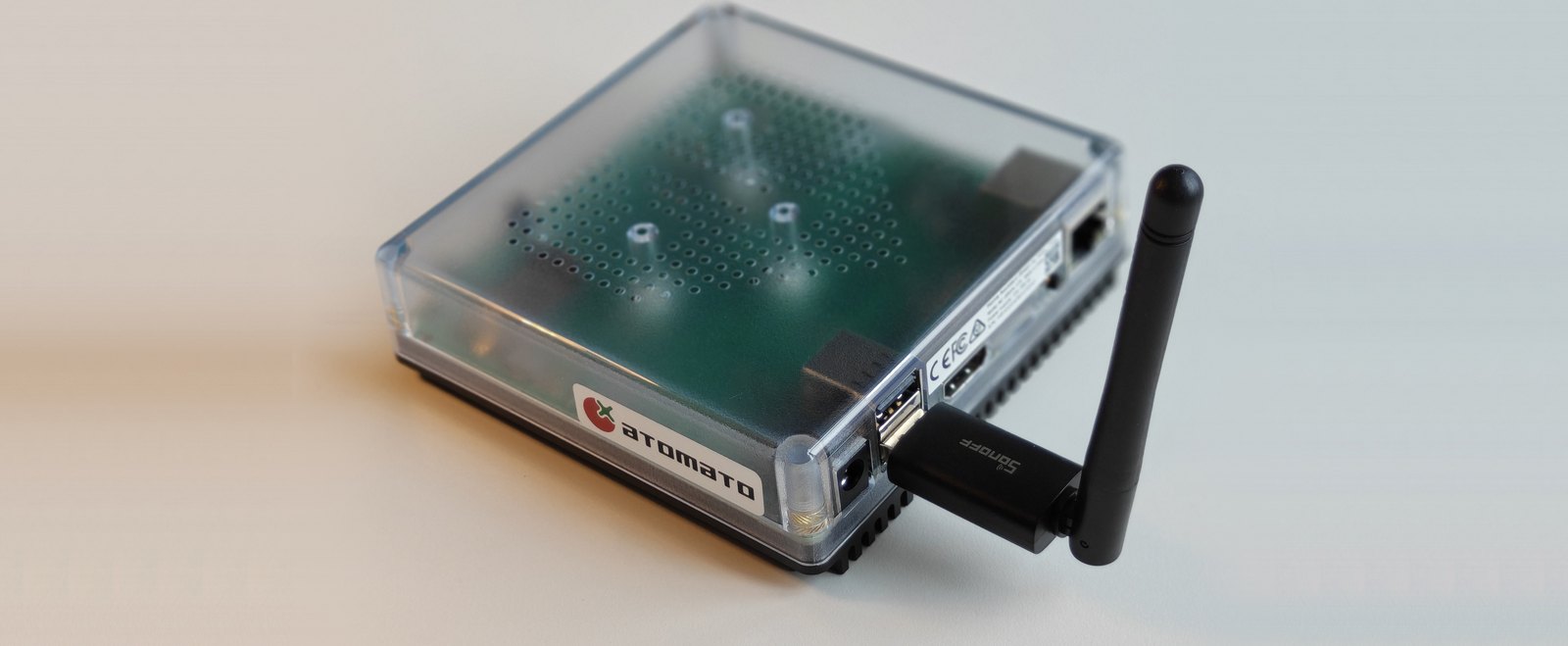
Home Assistant Green (with Zigbee dongle)
This is the local brain of an Atomato home. It is connected via an Ethernet cable to your router. A USB Zigbee dongle can be attached to it to enable Zigbee. It runs everything locally so it all keeps working even if the internet is down.
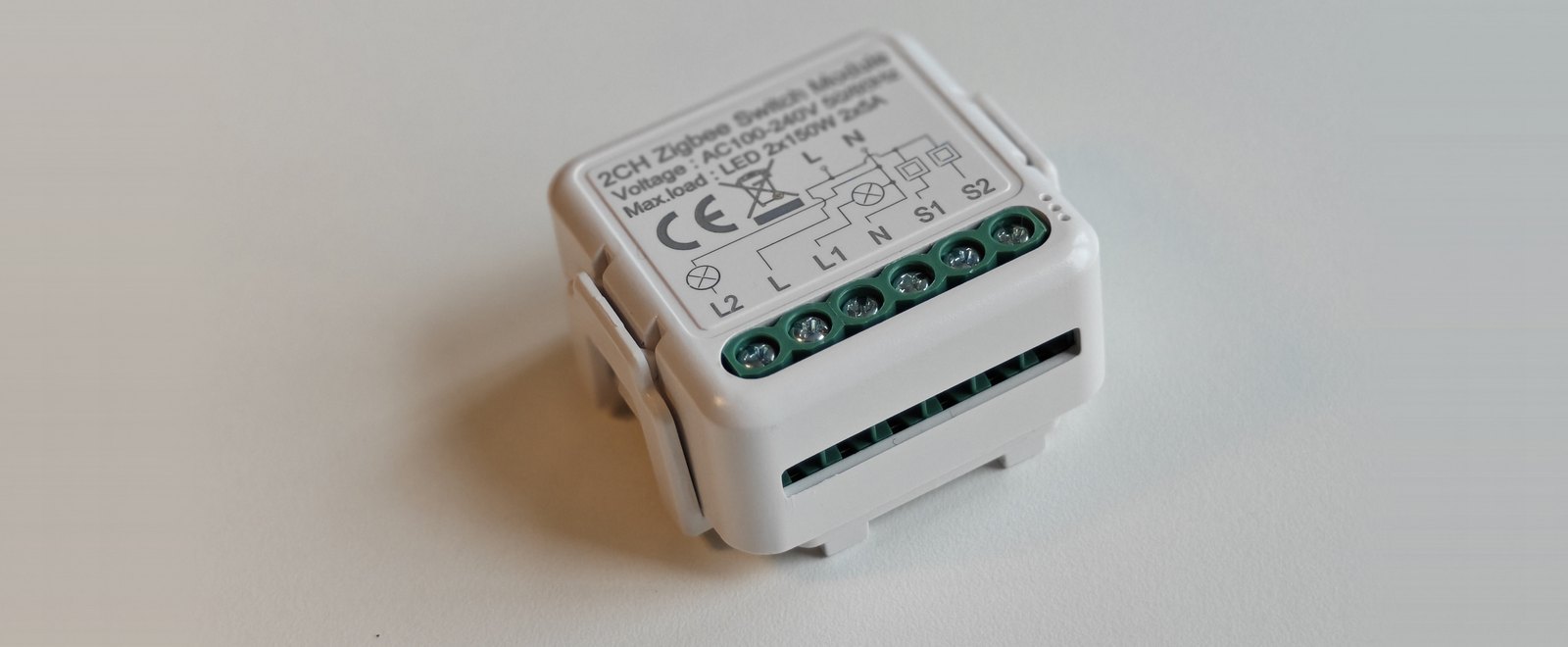
Zigbee relay module
Typically wired behind an existing wall switch or in a junction box. It switches lights, fans, boilers, or other hardwired loads on and off.
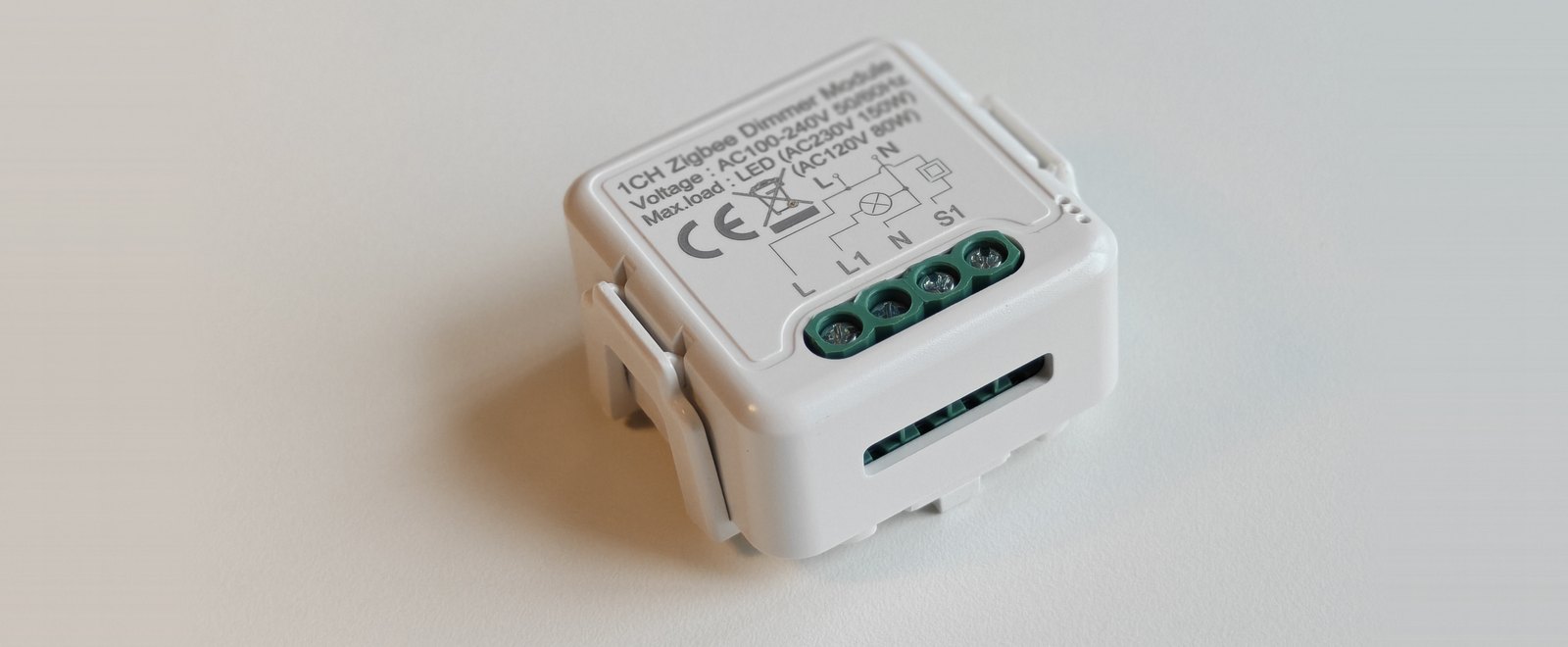
Zigbee dimmer module
Fitted behind a wall switch on a dimmable lighting circuit. It gives smooth brightness control from the push button wall switch as well as from the app.
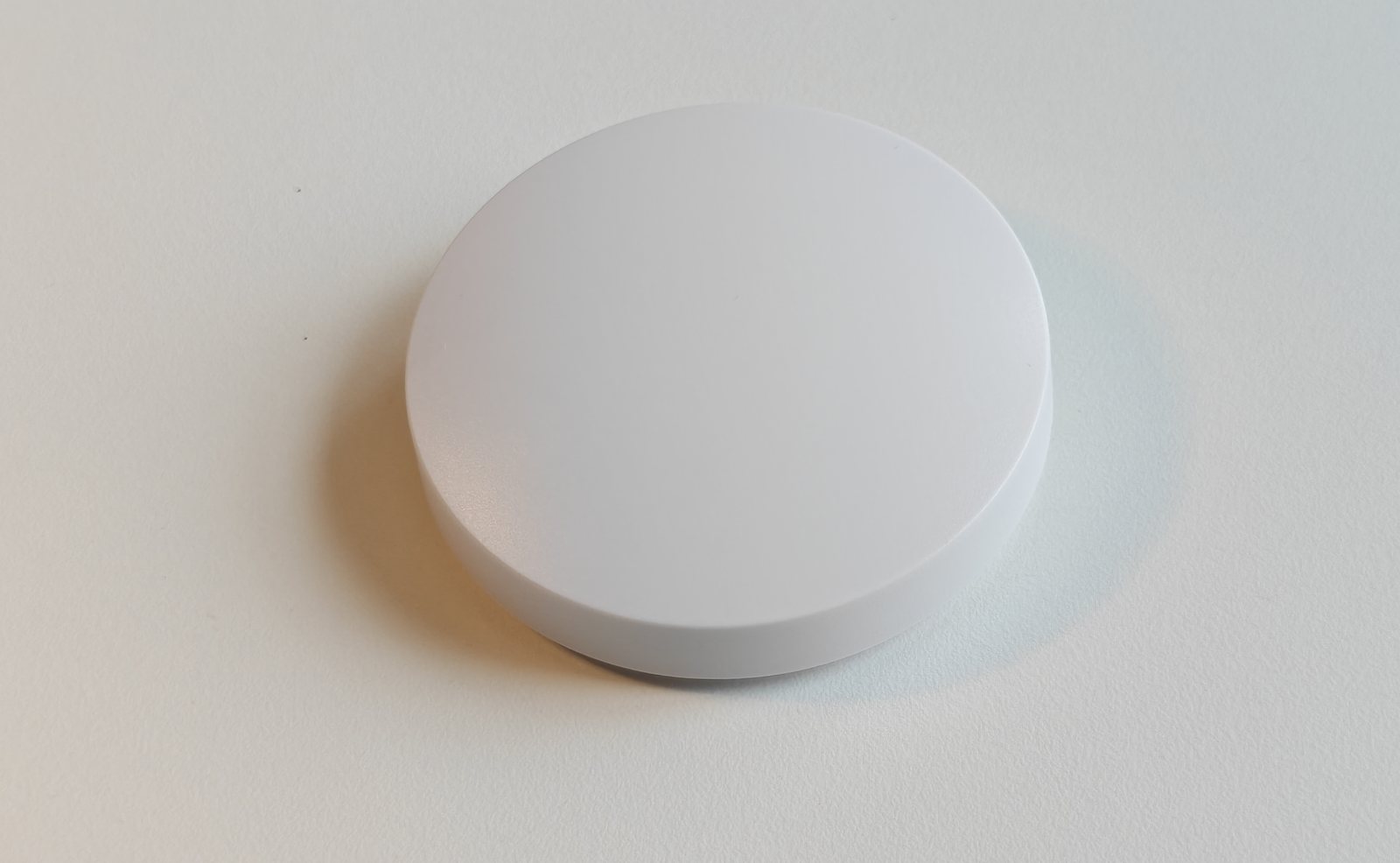
Zigbee button
Place it on the table or stick it to the wall — no wiring, the battery lasts for years. Single, double, and long presses can control lights, curtains, or whole-room scenes.
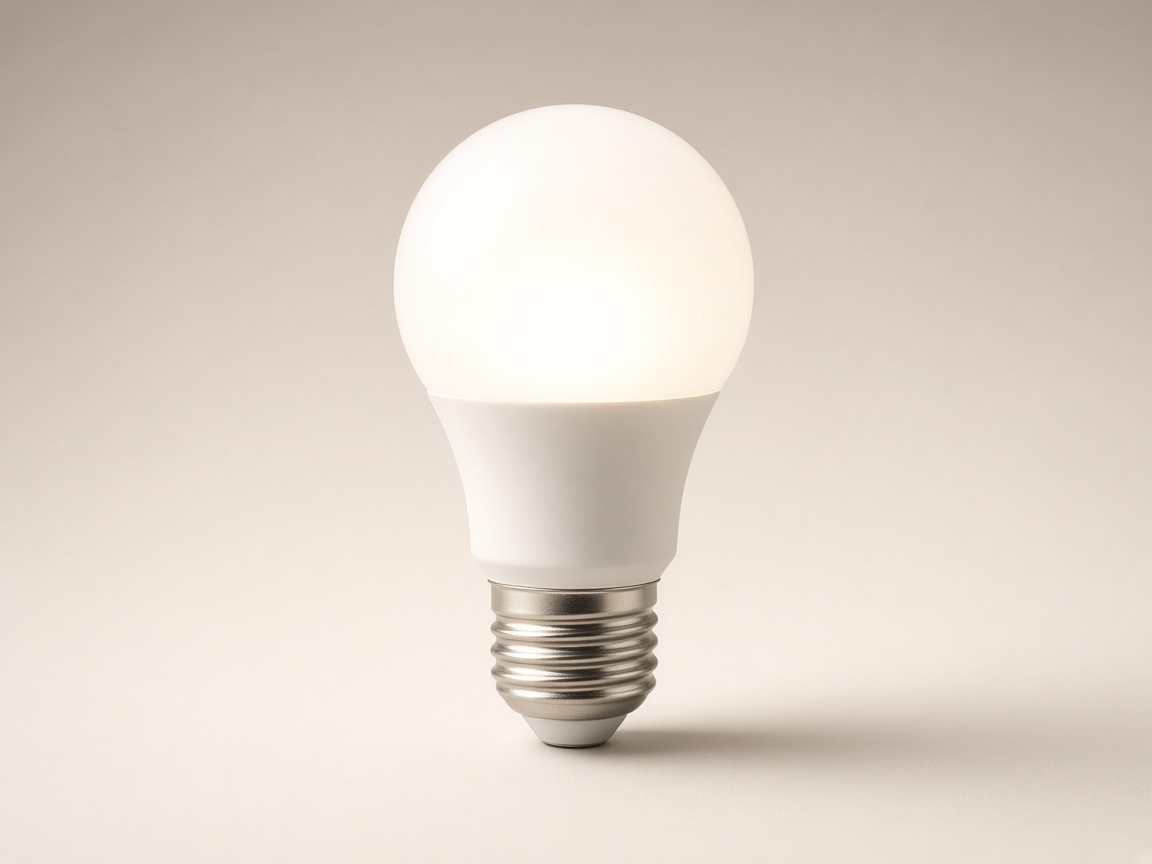
Zigbee bulb
Screws into an ordinary lamp socket. Useful when a module cannot go behind the switch. Atomato can turn it on and off, dim it, change color temperature etc.
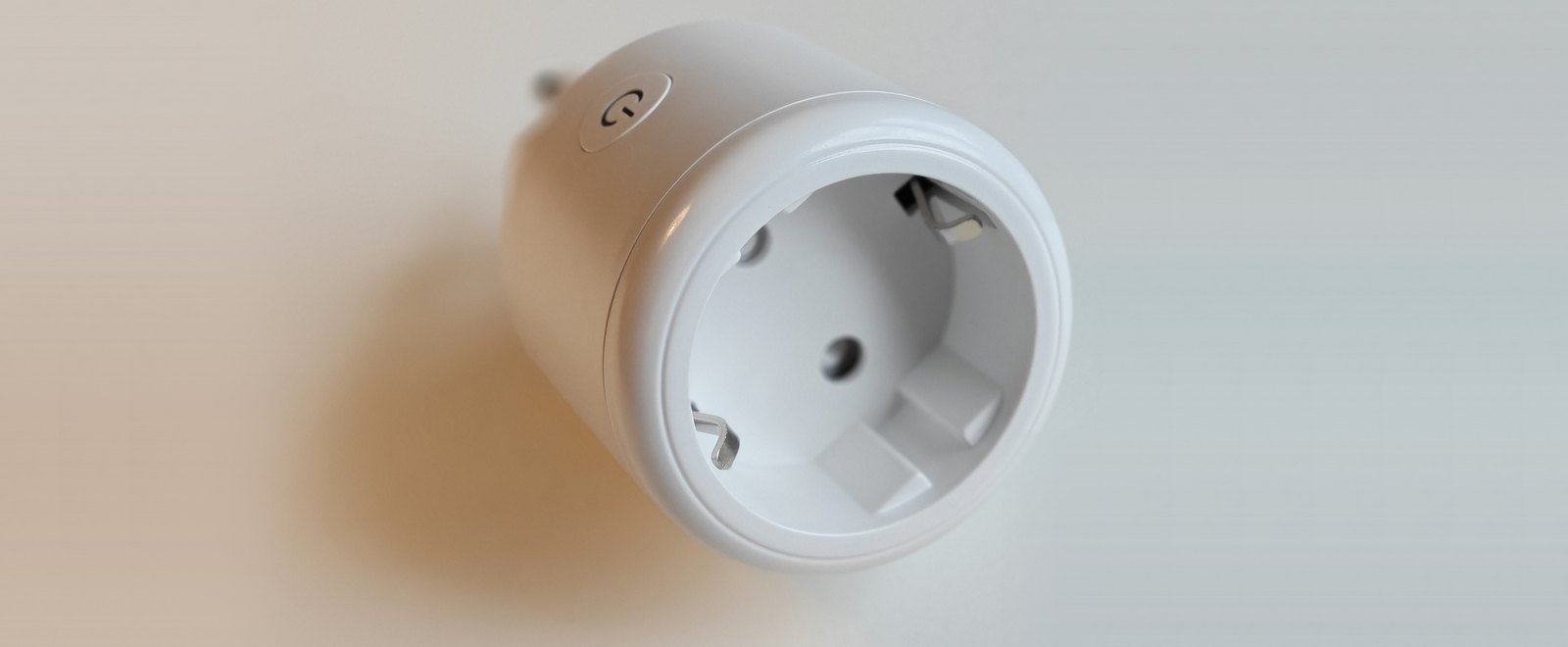
Zigbee plug
Plugs into a wall socket; the appliance plugs into it. Typical uses are floor lamps, heaters, outdoor light chains etc. Can be switched on and off, also reports energy use.
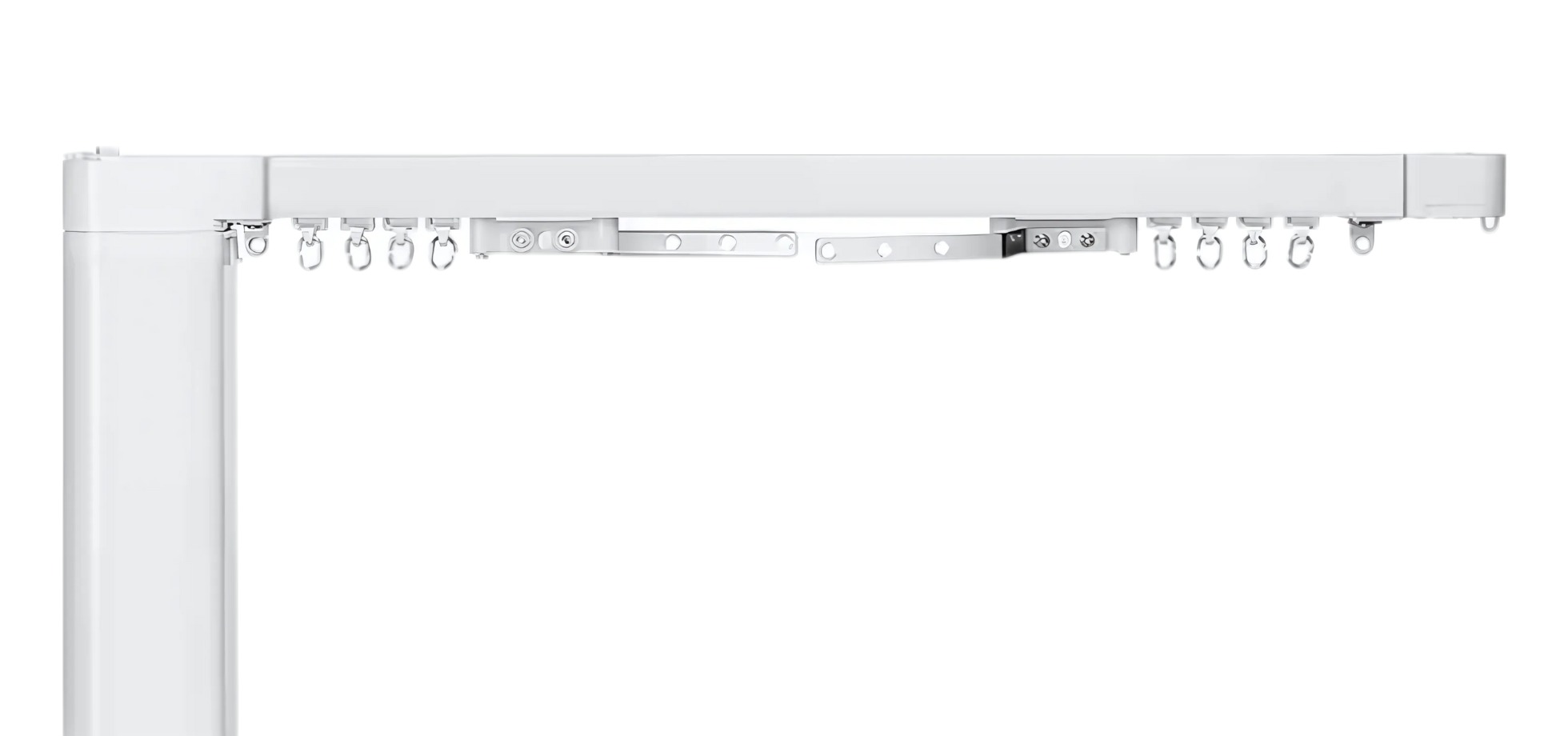
Zigbee curtain motor
Fitted on the curtain track or inside a roller-blind cassette.
There are many more options to control items at any home — sensors, locks, sirens, irrigation, garage doors, and more. If something in the house should switch, dim, open, or measure, there is usually a way to include it.
Atomato also supports other communication channels such as WiFi, Matter, Thread, and Z-Wave, but our preferred choice is to use Zigbee devices.